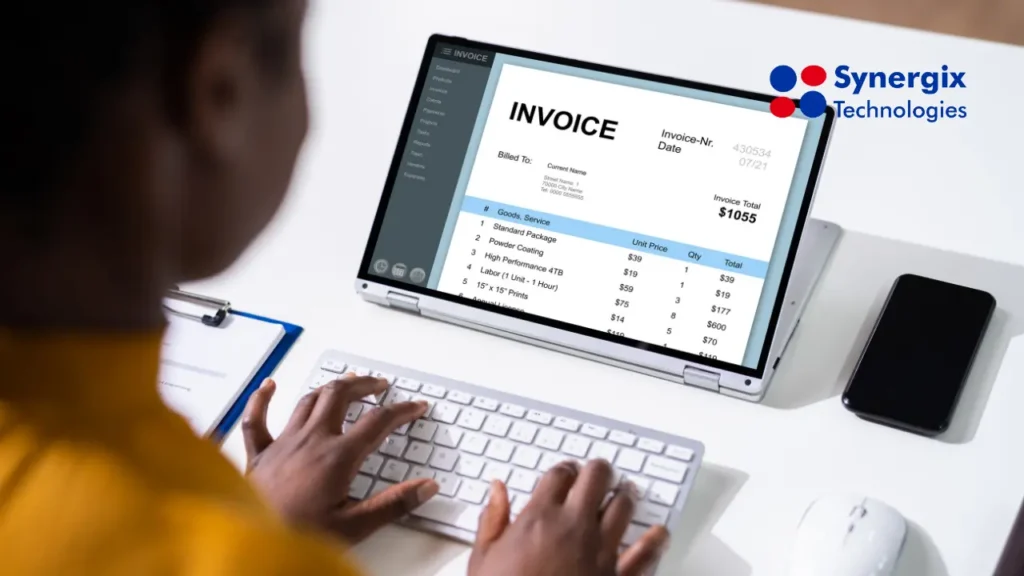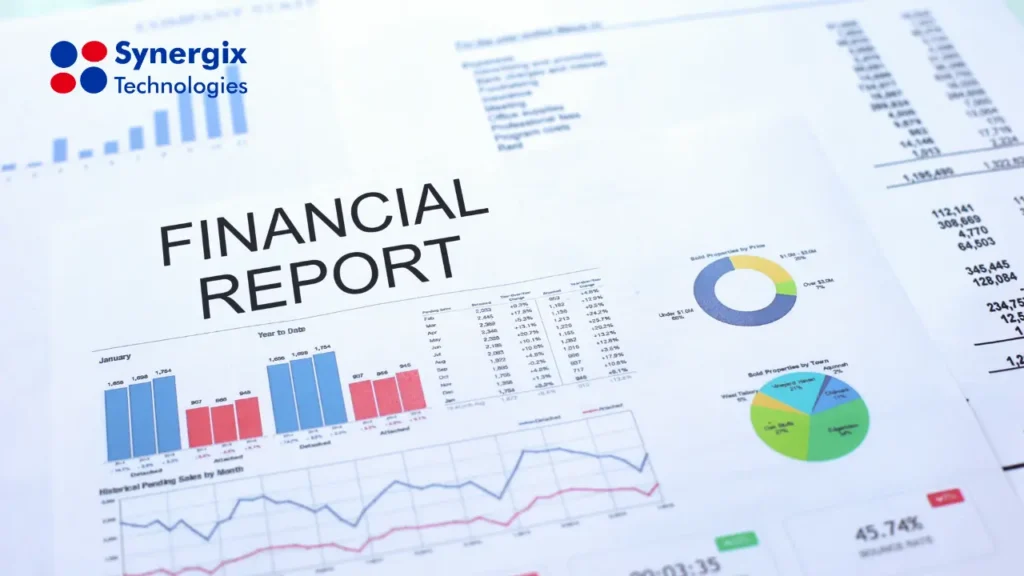




Do you get fed up with all the software programs and old technology to manage your entire business? In that case, the game-changer solution that you may need is a Cloud ERP System. Enterprise resource planning (ERP) enterprise software based on clouds has transformed organisation operations towards smoothing processes, cutting expenditure, and enhancing productivity.
In this article, we will briefly go over the meaning and definition of Cloud ERP, how it operates, and the main advantages and disadvantages of a cloud-based ERP, also clarifying why a cloud-based ERP may help to gain a competitive advantage for a business in the modern competitive market.
What is Cloud ERP?
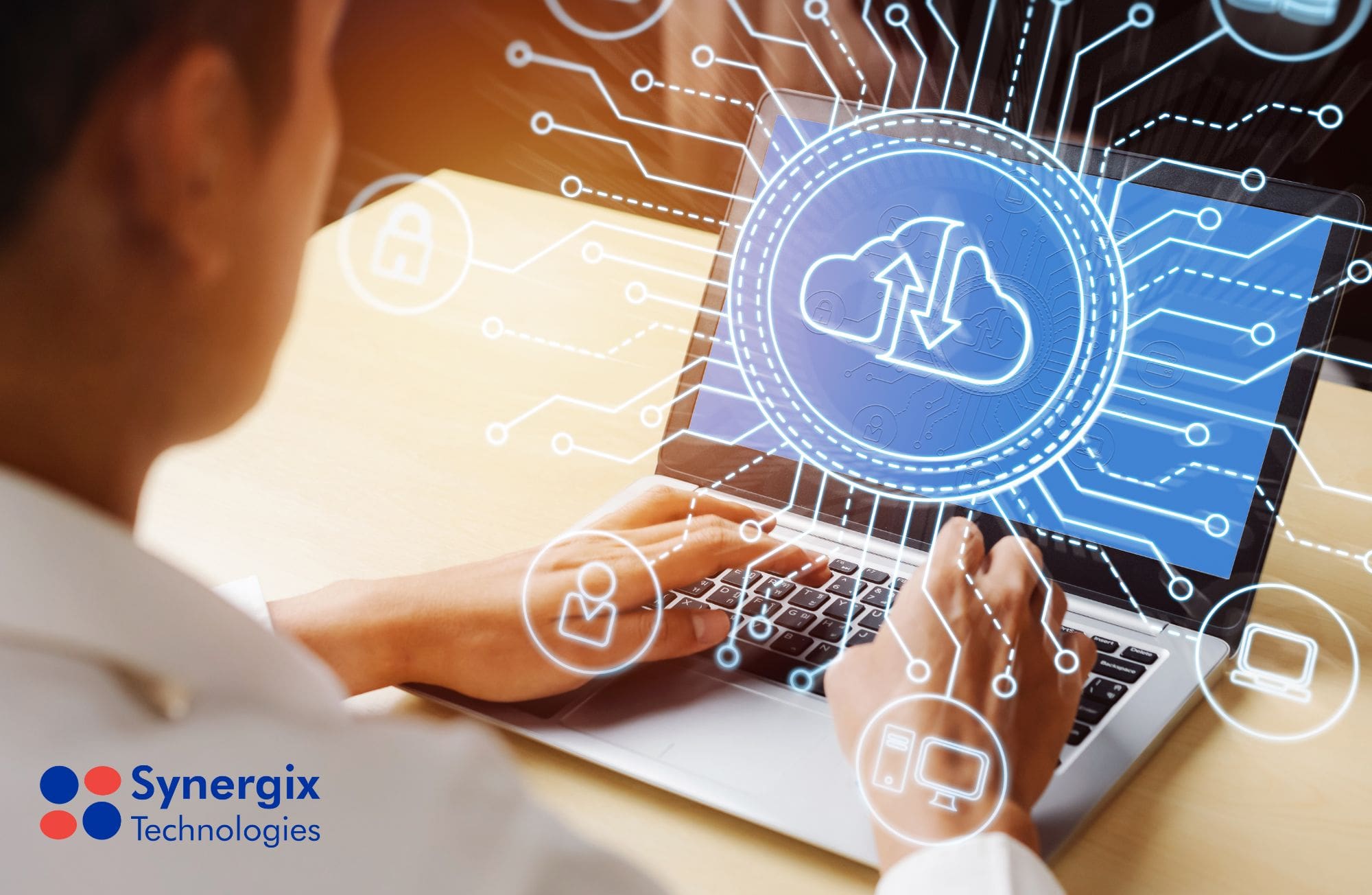
Cloud Enterprise Resource Planning, or Cloud ERP, represents a modern approach to managing and integrating various core business processes and functions, such as finance, manufacturing, supply chain, human resources, and customer relationship management (CRM), using cloud computing technology.
Unlike traditional ERP systems that are installed on-site, cloud ERP runs on cloud computing infrastructure, where data and software are remotely hosted and managed by an outside vendor. This means your data, applications, and updates are stored securely in the cloud and can be accessed via the internet, anytime and anywhere.
Enterprise Resource Planning system is fundamentally a centralised centre for handling key corporate operations, including manufacturing, supply chain management, finance, and customer relationship management (CRM).
Benefits of Cloud ERP
Scalability, Flexibility & Cost Savings
Cloud ERP scales to your business. It is easy to change modules depending on demands and businesses can choose not to pay the full amount simply because they are not using it. A cloud ERP system liberates resources to spend in other strategic areas by removing the expensive heavy hardware that is based on-site and low IT maintenance costs.
Anywhere Access & Improved Collaboration
Given the safe internet connection, your team will be able to access the ERP system with any device and in any location. As far as departments and locations are concerned, connected workflows, shared documents, and real-time updates allow collaboration of departments and locations on the same level which increases productivity and responsiveness.
Automatic Updates, Security & Data Reliability
Cloud ERP providers do all the work of maintaining systems and updates so you never have to worry about new features. Security standards at the enterprise level, including encryption, firewalls, and the so-called multi-factor authentication are applied as well to ensure security of personal data, whereas cloud storage is also less vulnerable to losing data because of physical damage or theft.
Real-Time Updates & Seamless Integration
Built-in analytics provide real-time information so you can make prompt informed decisions. Cloud ERP also fits well with other business tools, including CRM, e-commerce, or supply chain systems, and investigates efficiency and innovation possibilities.
Access to the Latest Technology
The vendors invest in platform upgrades on an on-going basis and as such, provide you with state-of-the-art capabilities without making behemoth investments on infrastructure. This implies that your business can remain competitive in an environment that is rapidly changing due to the digital world.

Challenges of Cloud ERP
Security Concerns
While reputable vendors invest heavily in advanced cybersecurity measures, no system is completely immune to threats. Cyberattacks, data breaches, and phishing attempts can still occur. Businesses should implement additional safeguards such as end-to-end encryption, multi-factor authentication, and regular security audits to protect sensitive information and maintain compliance with regulations.
Vendor Lock-In
Once a company commits to a particular provider, switching to another can be difficult and costly. Issues such as complex data migration, re-integration with existing systems, and retraining employees can lead to operational disruptions. To minimise this risk, businesses should thoroughly evaluate potential vendors, prioritising scalability, flexibility, and contract terms that allow future adaptability.
Reliance on Internet Connectivity
Cloud ERP performance depends heavily on stable internet access. Any network outages or slow speeds can disrupt workflows, delay approvals, and reduce productivity. Companies can mitigate this risk by investing in redundant internet connections, backup mobile hotspots, or hybrid ERP setups that offer offline capabilities.
Potential for Hidden Costs
Although cloud ERP pricing models are usually transparent, unexpected expenses can arise. These may include charges for additional data storage, advanced features, or higher-than-expected usage. Conducting a thorough cost-benefit analysis, reviewing the service-level agreement (SLA) carefully, and negotiating fixed-price terms can help avoid surprises.
Choosing the Right Cloud ERP Solution
Consider Your Business Needs and Requirements
Start by evaluating the demands and requirements of your company. Identify the processes that will benefit most from a cloud ERP system— Determine the main areas that can be improved with a cloud-based ERP solution: scalability to handle expansion, easy integration with current systems, and strong data security to safeguard private data. Knowing these priorities can help you make decisions and guarantee that the solution you select closely complies with your company’s goals.
Evaluate Different Cloud ERP Vendors
Research multiple cloud ERP providers and compare their features, pricing, scalability options, and track records. Look for vendors with proven experience in your industry and the ability to tailor solutions to your operational needs. Request detailed proposals and ask about support, training, and upgrade policies to ensure long-term value.
Get a Free Trial or Demo
Whenever possible, take advantage of a free trial or live demo. This hands-on experience allows you to test usability, feature depth, and reporting capabilities. Pay attention to functions such as inventory tracking, financial management, and analytic that are important to your company’s operations. Use the trial to evaluate vendor responsiveness and support quality.
Talk to other businesses that are using cloud ERP
Consult with companies in your sector who have already adopted ERP cloud computing solutions for references and suggestions. Learning from their experiences, difficulties, and lessons gained can give you insightful information and help you foresee any roadblocks on your own implementation journey. Inquire specifically about the timeframes for implementation, integration difficulties, continued support, and general level of satisfaction with the selected solution.
Read more: Guide to Choose the Right ERP Software for SMEs.

Frequently Asked Questions About Cloud ERP
How long does it take to implement a cloud ERP system?
Cloud ERP implementation typically takes 3-6 months for small to medium businesses and 6-12 months for larger enterprises. The cloud deployment model significantly reduces implementation time compared to on-premise solutions since there’s no hardware installation required.
How secure is cloud ERP compared to on-premise systems?
Cloud ERP systems often provide superior security with 24/7 monitoring, advanced threat detection, encryption, and compliance certifications (ISO 27001, SOC 2, GDPR). Leading providers maintain dedicated security teams that most businesses cannot afford independently.
Read more about Cloud ERP vs On-premise ERP
How much does Cloud ERP cost?
Cloud ERP pricing commonly follows per-user monthly subscriptions ranging from number of users and business needs. Additional costs may include implementation, training, customisation, data storage, and premium support services. Always request detailed pricing breakdowns to avoid hidden costs. Contact us for more information
Can small businesses benefit from cloud ERP?
Yes, cloud-based ERP is particularly beneficial for SMEs as it doesn’t require a large upfront investments in hardware and IT staff. Small businesses can access enterprise-level functionality through affordable monthly subscriptions and scale usage as they grow.
What happens if the internet connection goes down?
While cloud ERP requires internet connectivity, many systems offer offline capabilities for critical functions through mobile apps with local data caching. Businesses can implement redundant internet connections to minimise downtime risks.
Conclusion
In conclusion, cloud-based ERP is a cost-effective, scalable, and flexible solution that can improve collaboration and provide real-time data and insights to help businesses make better decisions. While there are challenges associated with cloud ERP, such as security concerns and hidden costs, selecting the right cloud ERP solution can be a game-changer for your business.
Experience the power of Cloud ERP with Synergix Technologies! Our fully integrated, customisable cloud-based ERP systems have already satisfied over 600 clients and serve over 30,000 users in Singapore. Plus, as an IMDA pre-approved vendor, qualified enterprises can receive up to 50% of qualifying costs. Contact us now for a free demo!